
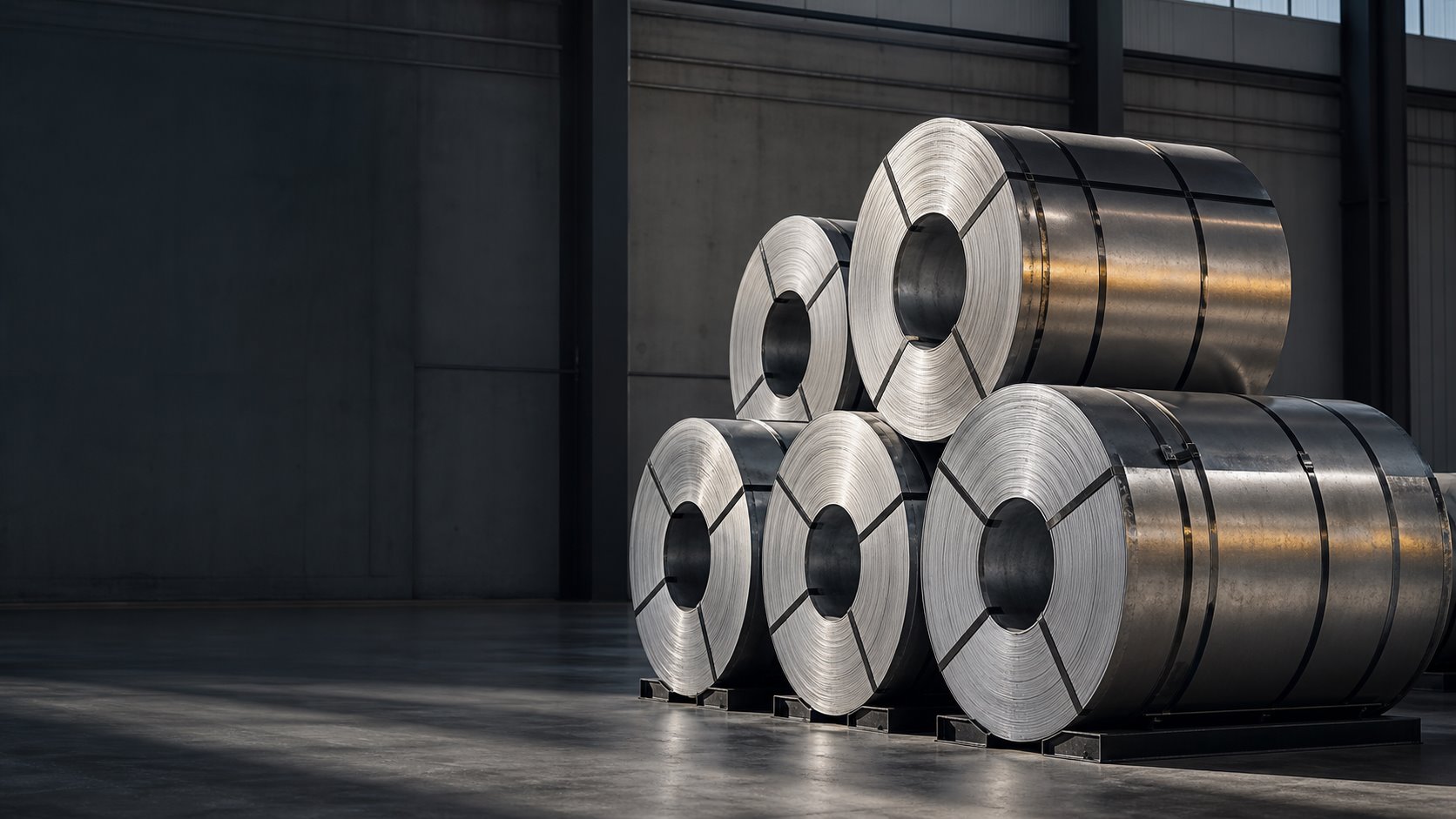
A useful steel quotation starts with a useful purchasing brief. The more clearly the requirement is defined, the easier it is for a supplier to confirm the correct material, production route, packing method, and shipment basis.
1. Start with the product form
State whether you need coil, sheet, plate, pipe, tube, bar, wire, or structural profile. If the product has a specific process or finish, include that as well.
For example:
- Hot rolled steel coil
- 304 stainless steel sheet with 2B finish
- Galvanized steel pipe
- Carbon steel plate for structural fabrication
The product form affects available dimensions, packing, container planning, and quotation basis.
2. Give the grade and standard
Include the required grade whenever it is known. Standards such as ASTM, EN, JIS, or GB should also be stated because similarly named products can have different chemistry, mechanical properties, tolerances, and testing requirements.
If you are not sure which grade is appropriate, describe the application and the technical requirement that matters most. The supplier can then discuss possible material options before the order is confirmed.
3. Define the dimensions
Dimensions are essential for calculating weight, production feasibility, packing, and freight.
Depending on the product, provide:
- Thickness
- Width
- Length
- Outside diameter
- Wall thickness
- Section size
- Coil weight
- Required tolerances
If several sizes are required, a table is usually clearer than a long sentence.
4. State the quantity
Use a practical unit such as metric tons, pieces, coils, sheets, or containers. For project purchasing, provide the estimated total quantity and, when useful, the expected delivery stages.
Quantity can affect mill selection, production planning, processing cost, packing, and freight.
5. Include the destination
A quotation for export should normally include the destination country and, when known, the destination port.
This helps the supplier discuss suitable trade terms such as FOB, CIF, or CFR and consider container limits, packing, route availability, and shipping documentation.
6. List document and inspection requirements
If your project requires specific records, state them before quotation. Examples include:
- Material Test Certificate (MTC)
- Heat number traceability
- Inspection photos
- Dimensional inspection
- Third-party inspection
- Packing and loading photos
- Specific document formats required by the buyer or project
These requirements should be agreed before order confirmation rather than added after production.
7. Explain packing requirements
Steel packing depends on product type, transport route, unloading conditions, and buyer requirements. Mention any specific need for waterproof protection, steel strip reinforcement, pallet or bundle requirements, labels, marks, or container loading arrangements.
A simple RFQ format
A concise RFQ can follow this structure:
Product:
Grade / Standard:
Size:
Quantity:
Surface / Processing:
Destination:
Trade Term:
Documents / Inspection:
Packing:
Other requirements:
This format gives both purchasing teams and suppliers a clear starting point for technical confirmation and commercial quotation.
For a current steel requirement, use the website RFQ form and include the details you already know. Missing points can be confirmed during quotation review.
Turn the material requirement into an RFQ.
Review the product index or send grade, dimensions, quantity, destination and document requirements to the export desk.